
Essential Driving Tips to Keep You Safe on the Road
- CrashAid

- May 11
- 4 min read
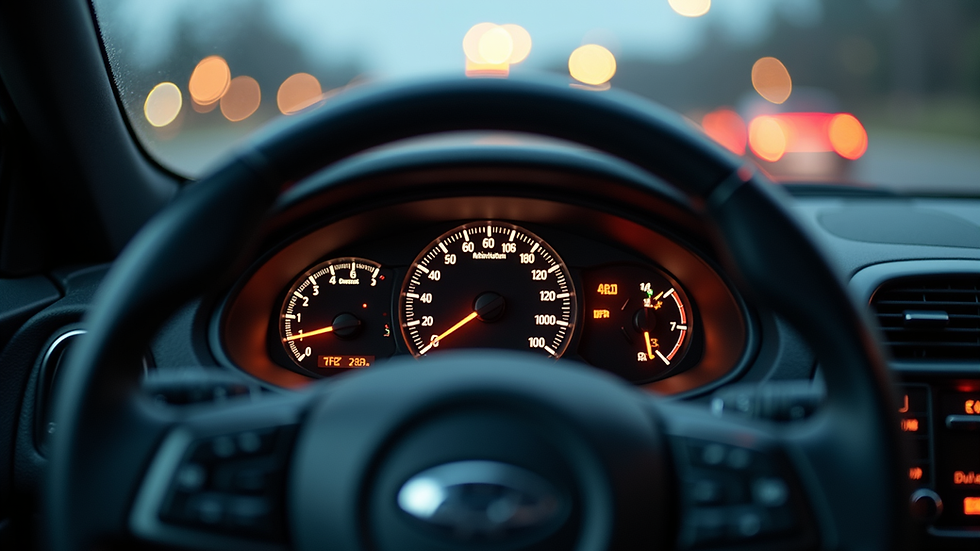
Driving can be stressful, especially after an accident. Knowing what to do and how to drive safely helps you avoid trouble and stay calm behind the wheel. I want to share some simple, clear driving tips that can make a big difference. These tips are for anyone who wants to feel more confident and secure on the road.
How to Stay Focused While Driving
Distractions cause many accidents. It’s easy to lose focus when your phone buzzes or your mind drifts. Here’s how to keep your attention on the road:
Put your phone away before you start driving. Use “Do Not Disturb” mode or apps that block notifications.
Avoid eating or drinking while driving. It takes your hands and eyes off the wheel.
Plan your route ahead of time. Use a GPS or map before you start, so you don’t have to look at it while driving.
Keep your eyes moving. Check mirrors often and scan the road ahead for hazards.
Stay calm. If you feel stressed or angry, take deep breaths or pull over safely to relax.
Staying focused helps you react faster to sudden changes. It also lowers your chances of being in a crash.
The Importance of Vehicle Maintenance
A well-maintained car is safer. Regular checks can prevent breakdowns and accidents. Here are some basics to keep in mind:
Check your tires for proper pressure and tread depth. Worn tires reduce grip, especially in rain.
Test your brakes regularly. If you hear squeaking or feel vibrations, get them checked.
Keep your lights working. Headlights, brake lights, and turn signals must be visible.
Change your oil and fluids on schedule. This keeps your engine running smoothly.
Replace windshield wipers if they leave streaks. Clear visibility is key in bad weather.
If you want a tool to help you monitor your car’s health, consider a device like the OBDLink MX+. It plugs into your car’s diagnostic port and gives real-time info on engine status and alerts you to issues before they become serious. This kind of product can save you time and money by catching problems early.
How to Handle Emergency Situations
Accidents happen, and knowing what to do next can protect you and others. Here’s a quick guide:
Stop your car safely. Turn on hazard lights to warn others.
Check for injuries. Call 911 if anyone is hurt.
Move to a safe spot if possible, like the shoulder or a parking lot.
Exchange information with the other driver: names, phone numbers, insurance details.
Take photos of the scene, damage, and license plates.
Report the accident to your insurance company as soon as you can.
If you want extra help after a crash, services like CrashAid can guide you through the confusing steps. They connect you with trusted professionals who can support you quickly and clearly. This kind of help is valuable when you feel overwhelmed.

Tips for Driving in Bad Weather
Rain, snow, fog, and ice make driving riskier. Here’s how to stay safe when the weather turns bad:
Slow down. Wet or icy roads reduce traction.
Increase following distance. Give yourself more space to stop.
Use headlights in rain or fog to improve visibility.
Avoid sudden moves. Brake and steer gently.
Know your brakes. If you have ABS, press firmly. If not, pump the brakes gently.
Clear your windows before driving. Use defrosters and windshield wipers.
If you live in an area with frequent bad weather, consider investing in all-season or winter tires. They provide better grip and control.
How to Drive Defensively
Defensive driving means expecting the unexpected. It helps you avoid accidents caused by other drivers’ mistakes. Here’s what to do:
Stay alert and watch other drivers closely.
Keep a safe distance from the car in front of you.
Use your mirrors often to know what’s around you.
Signal early before turns or lane changes.
Avoid blind spots by adjusting your mirrors and checking over your shoulder.
Be patient. Don’t rush or try to beat red lights.
Defensive driving is about being cautious, not aggressive. It helps you stay in control and avoid crashes.

Why You Should Always Wear Your Seatbelt
Seatbelts save lives. They keep you from being thrown forward or out of the car in a crash. Always buckle up, even for short trips.
Make sure everyone in the car wears a seatbelt.
Check that the belt fits snugly across your chest and lap.
Don’t put the belt behind your back or under your arm.
Use child safety seats for young passengers.
Wearing a seatbelt is the simplest way to protect yourself in a crash. It’s a habit that can save your life.
Final Thoughts on Safe Driving
Driving safely is about being prepared, alert, and calm. Use these tips to build good habits. Keep your car in good shape, stay focused, and know what to do if something goes wrong. Remember, help is available if you need it. Services like CrashAid can guide you through the aftermath of an accident, making a tough time easier.
Stay safe out there. Your next drive can be your safest yet.
If you want to learn more about how to handle the moments after a crash, visit CrashAid for clear guidance and support.

Comments